BUILDING HISTORY

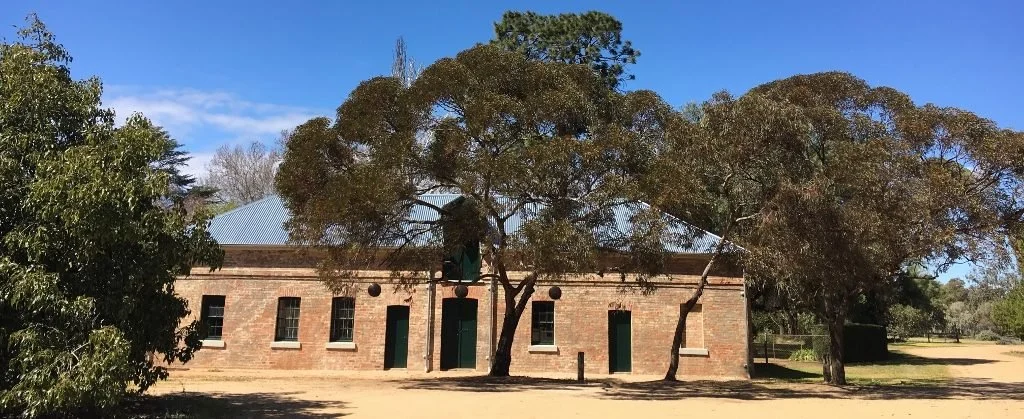
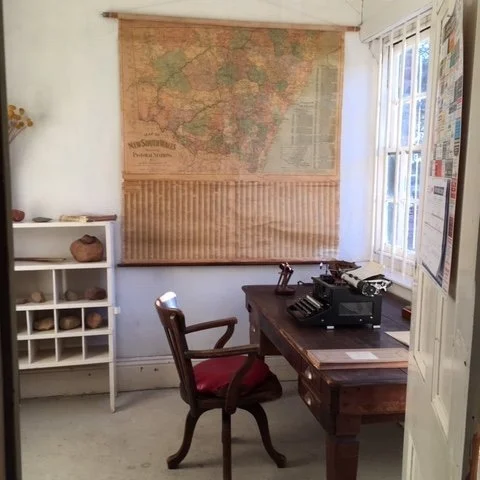
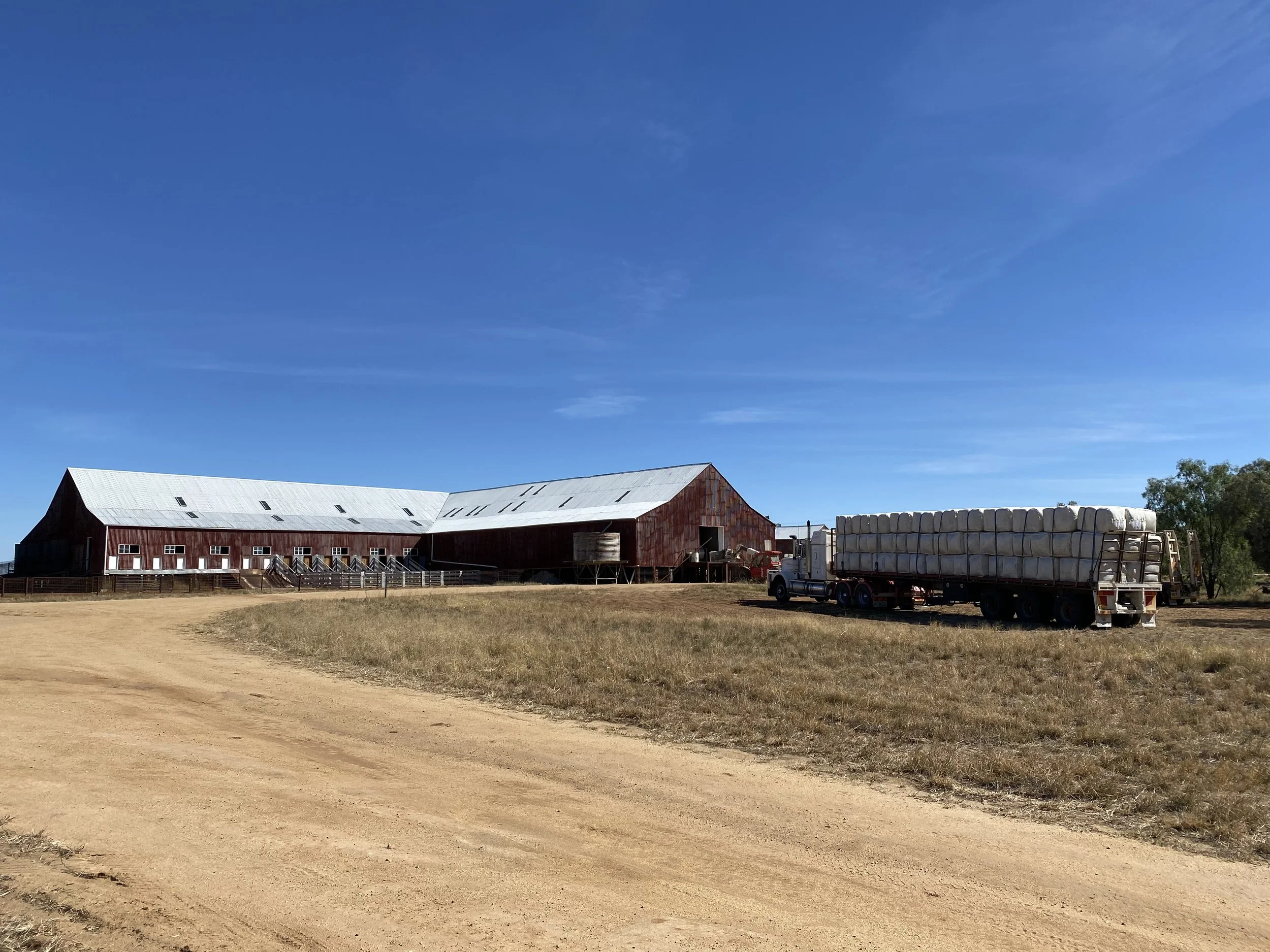
The Yanko Station is symbolised by two iconic buildings, the store and woolshed. The Store (circa 1875) contained a general store, post office, telephone exchange, bookkeeper’s bedroom, sitting room and office, livery, storage rooms and a gaol. The original (42 stand) woolshed burnt down in March 1923 just before crutching. The then manager Mr. W. H. Brownless set about rebuilding the shed before shearing in August that year.
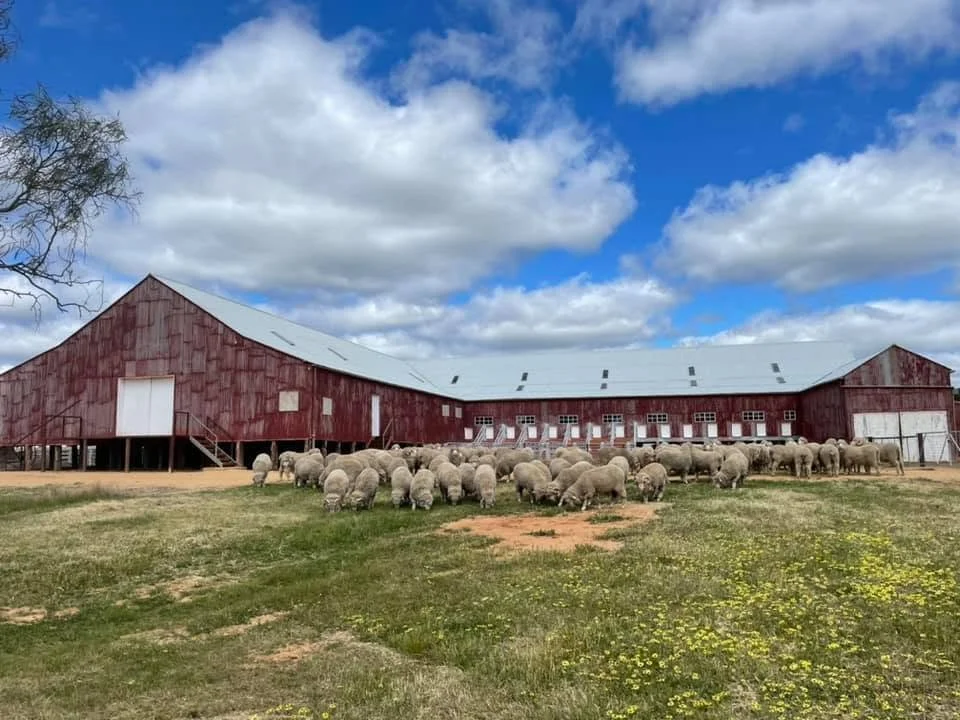
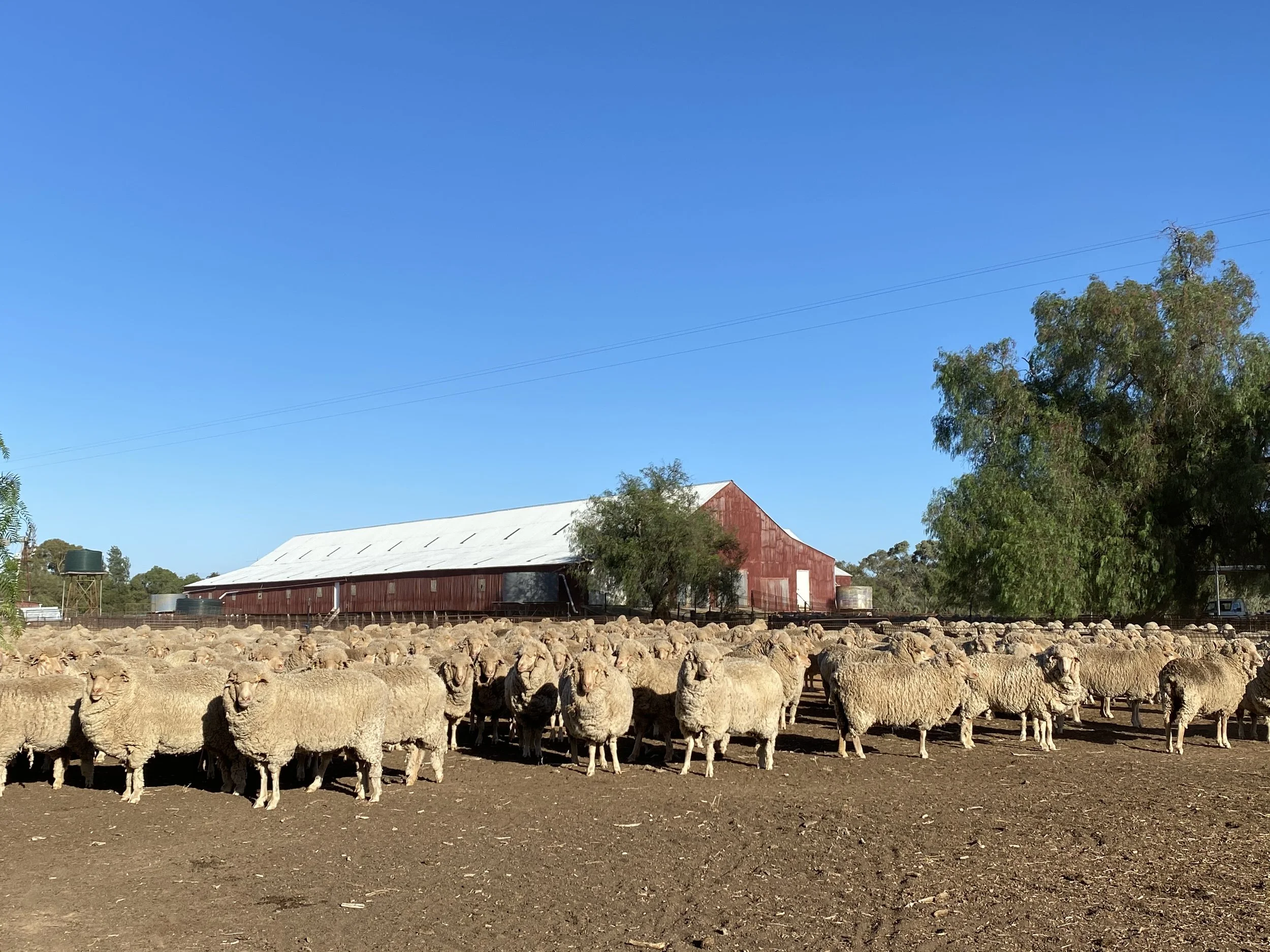
THE KIDMAN WAY LANDMARKThe Wool Shed
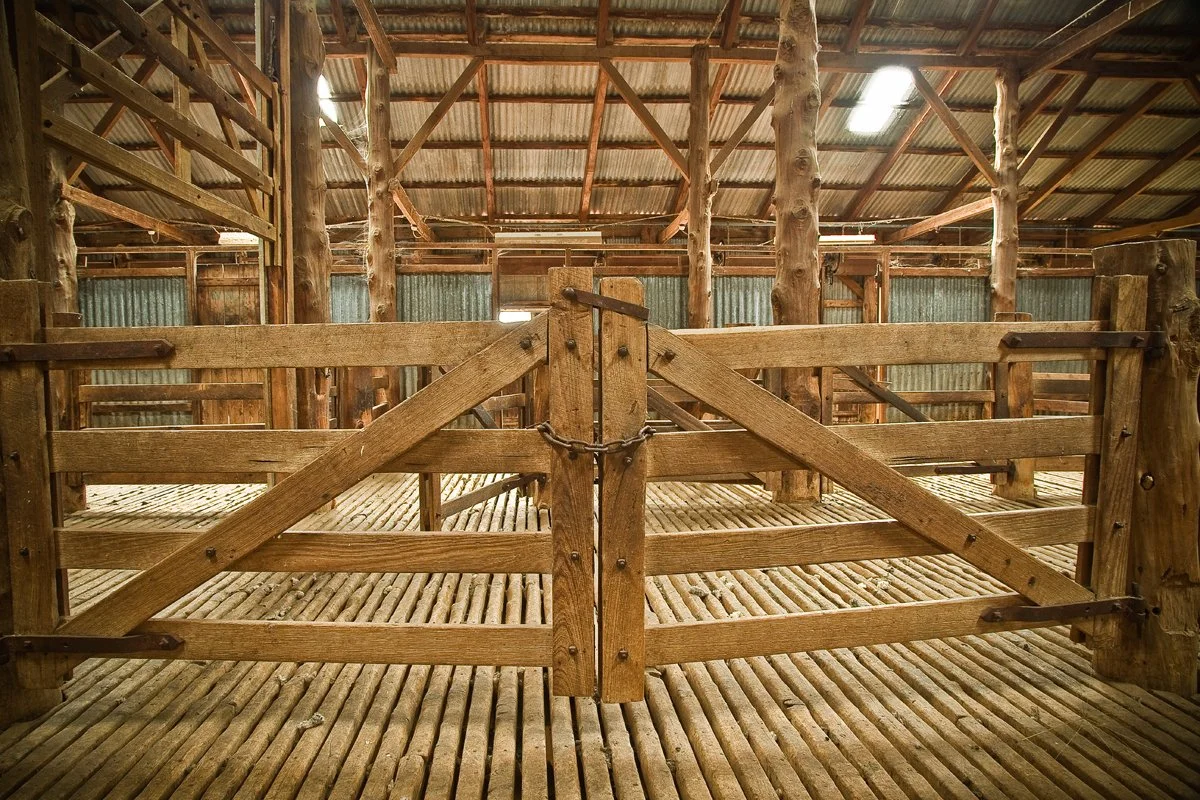
The Yanko woolshed is a landmark along The Kidman Way with the shearers’ quarters and classer’s cottage nearby. Currently there are ten operating shearers’ stands (formerly 32 stands). A roustabout carries the sheep’s fleece to the skirting tables. The classer then grades the wool which is pressed into bales. Holding pens within and underneath the woolshed can hold up to 2,500 sheep.
The original (42 stand) shed was burnt down in March 1923, just before crutching. The then manager Mr. W. H. Brownless set about rebuilding the shed. Murray Pines (Callitris gaucophylla) were harvested from the property using two 18 horse teams and wagons to cart the timber to the site. Rebuilding the shed was a huge effort over four months and was completed in time for general shearing in August that year.
Shearing at The Yanko was a busy time. The shearers travelled from station to station and would stay in the accommodation around the shearing shed. Before the faster mechanical handpiece of the late 1880’s, they used hand shears to shear the sheep.
The Store
ESTABLISHED 1870The Yanko store was built by Samuel Wilson in the 1870’s and was an important feature of station life. It was a supply centre for employees, neighbouring stations and travellers. Rations were handed out to workers and swagmen alike.
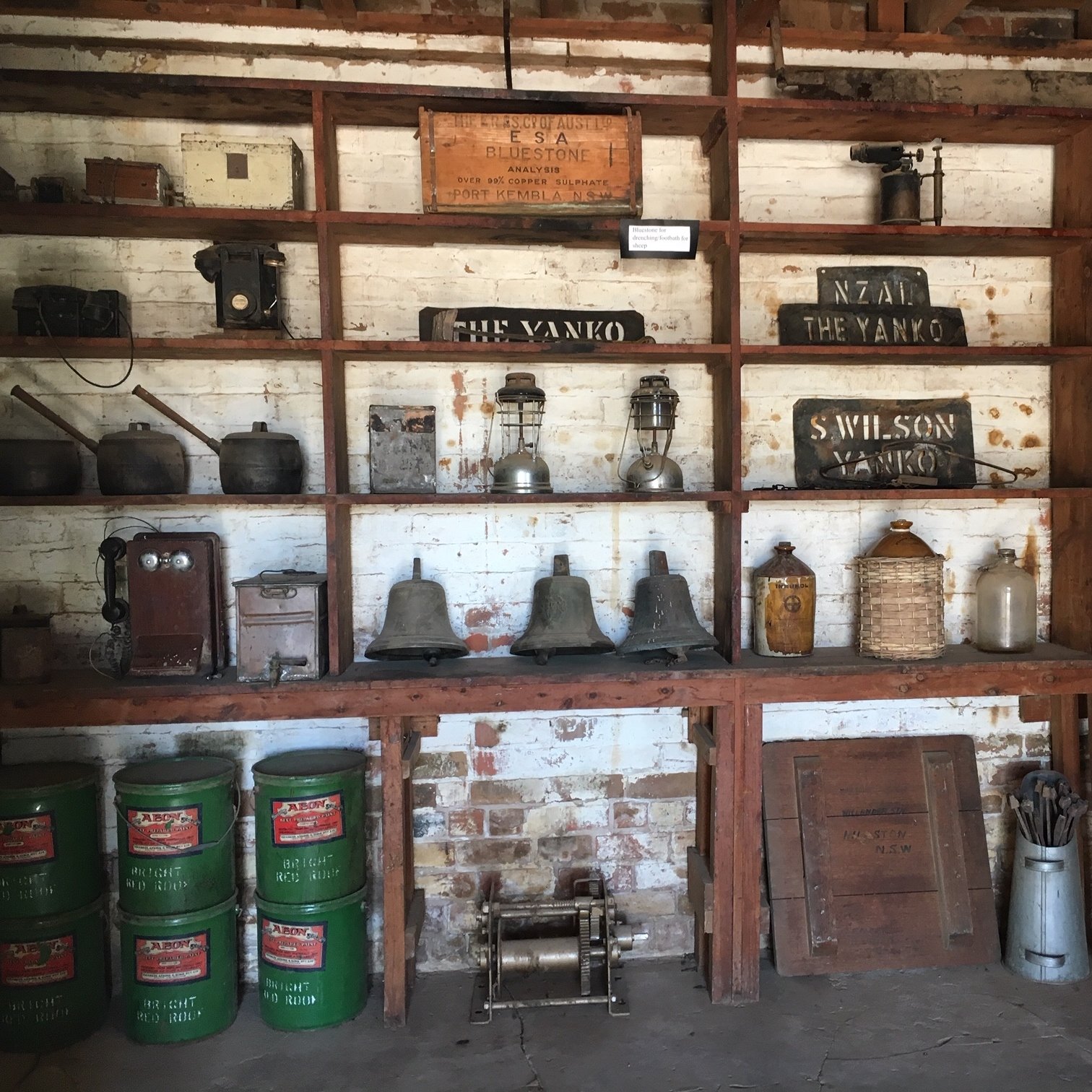
The store provided a weekly meeting place for those employees at the outlying cottages, and the place for everyone to gather to receive their monthly wage. The store carried a range of unperishable goods such as flour, sugar, tea, equipment and clothing, but also slightly more exotic items such as dried fruits and spices.
The Yanko Store is unique in that it housed not only a shop, but a separate post office, bookkeepers office, gaol, storage and harness rooms and later a telephone exchange. In later years travellers could purchase fuel and access the mechanic for running repairs on vehicles.
In 2017 Heather began the process of getting the Store heritage listed. With the assistance of a NSW Government Grant, we carried out extensive renovation. The brickwork was repointed, the roof replaced and improvements made to drainage. Subsequently, in 2020 the Store received NSW Heritage listing.